
PANAMA
Panama sits right between Costa Rica and Colombia, acting as the bridge between Central and South America with the Pacific on one side and the Caribbean on the other. It is actually one of the safest countries in the region and most people know it for the beautiful islands, beaches and the Panama Canal. But we found that there is so much more to it than that, so in this guide we cover everything from the top destinations to how to get around and our favorite money saving tips along the way.
Just so you know: This post may contain affiliate links. That means we might earn a small commission if you book or buy something through the links – at no extra cost to you. It helps us keep sharing travel tips for budget adventures!
Quick Guide
🗣️ Language: Spanish.
💵 Currency: Panamanian balboa (PAB) + USD (both accepted everywhere).
☀️ Best Time to Visit: December-April is the dry season and peak season. May-November is the rainy season, with greener landscapes, fewer tourists and often better prices.
⏱️ Time Zone: GMT-5.
🚌 Getting Around: Buses are the cheapest option, shuttles are practical and rental cars offer flexibility in certain regions. Boats are essential for island areas.
🔒 Safety: Generally safe in tourist regions, but take normal precautions. Be mindful in Panama City at night and avoid unsafe districts like Colón and some inner-city neighborhoods.
💧 Water: Tap water is safe in Panama City and some major towns, but not always in remote islands or rural areas. Ask locally before drinking.
Popular Regions
🏙️ Panama City: Casco Viejo, Panama Canal, museums, nightlife and day trips to nearby rainforests.
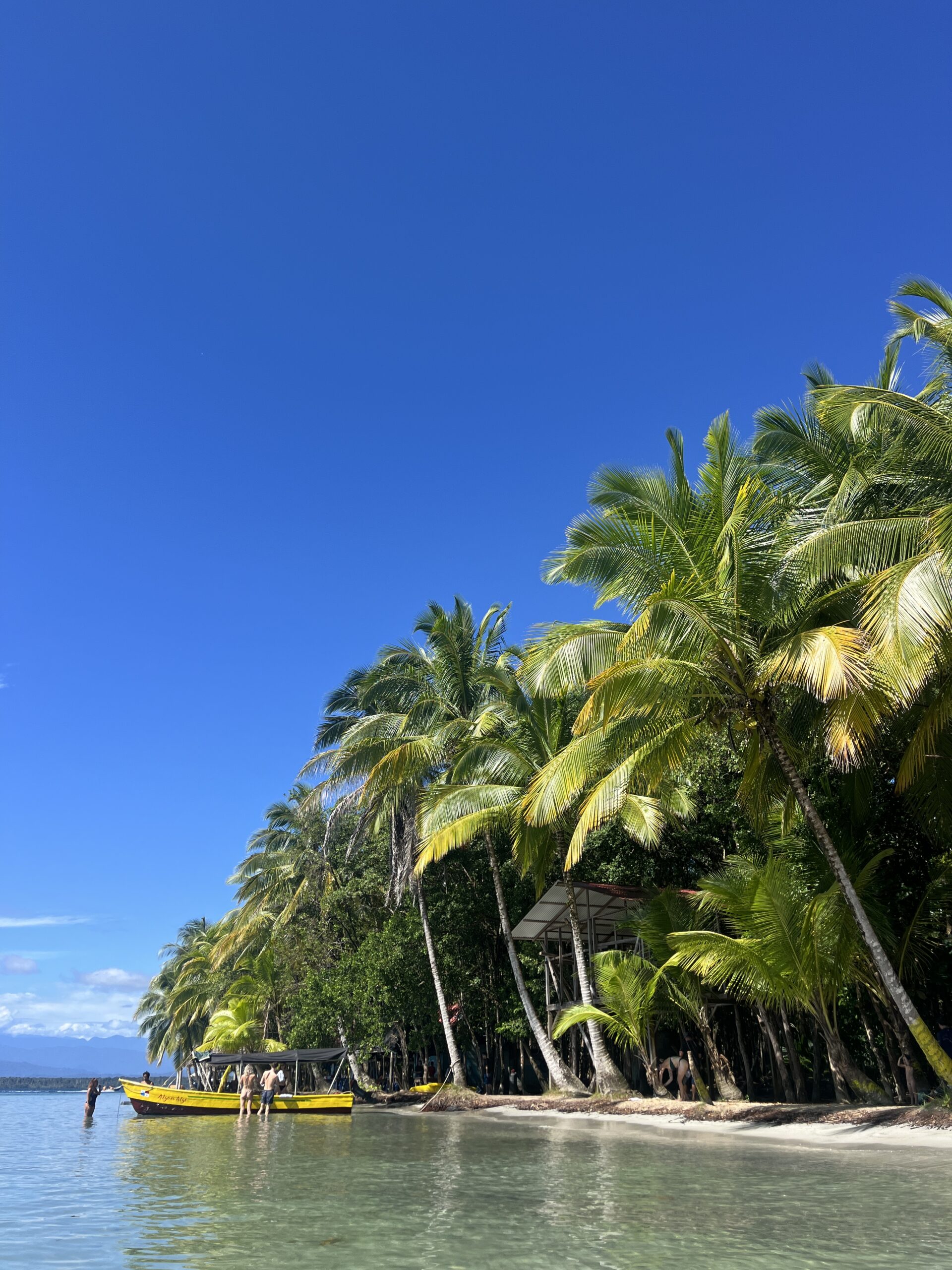
🏝️ San Blas Islands (Guna Yala): Over 350 islands with white sand, turquoise water and stays run by the Guna Indigenous communities.
🌳 Bocas del Toro: Caribbean islands known for beaches, diving, surfing and nightlife.
🌋 Boquete & Chiriquí Highlands: Cloud forests, coffee farms, mountain trails, waterfalls and the Volcán Barú sunrise hike.
🏞️ Soberanía National Park: Easy access from Panama City with wildlife, birdwatching and jungle trails.
🌅 Pacific Coast (Pedasí, Playa Venao): Surfing, relaxed villages, whale watching (in season) and calm beaches.
🚣 Darién Region: Rainforest and Indigenous communities. Beautiful but remote and generally not recommended without a guide.
What To See & Do In Panama
Island-hop and surf in Bocas del Toro
Snorkel, surf, kayak and explore islands like Isla Colón, Bastimentos and Zapatilla.
Relax in the San Blas Islands
Stay in beach huts, visit Guna communities and enjoy some of Central America’s clearest waters.
Explore Casco Viejo
Panama City’s old quarter with colonial streets, cafés, rooftop bars, boutique hotels and ocean views.
Explore coffee country in Boquete
Tour coffee farms, cross hanging bridges or try river rafting and ziplining.
Visit the Panama Canal
See ships cross the locks, visit the Miraflores Visitor Center or take a partial/full canal transit for an up-close experience.
Hike volcano Baru
Climb to Panama’s highest peak. On clear mornings you can see the Pacific and Caribbean at the same time.
Walk the rainforest trails near Panama City
Visit Metropolitan Natural Park or Soberanía (Pipeline Road) for monkeys, sloths and tropical birds.
Discover the Pacific beaches
Visit Playa Venao for surfing or Pedasí for quiet beaches and nature.
Estimated Travel Expenses for Panama
Keep in mind, these are just rough estimates for budget to mid-range travel. Prices can change depending on the season, the area you’re in and who you book with.
Accommodation
- Hostel dorm: $10-25 / night
- Private hostel room: $25-50 / night
- Budget hotel: $40-70 / night
- Mid-range hotel: $60-120 / night
- Bocas del Toro or San Blas huts: $40-150 / night
Food & Drinks
- Street food or local meals: $3-6
- Small local restaurants: $5-12
- Mid-range restaurant: $10-25
- Beer: $1.50-3
- Groceries per week: $35-60
Other Essentials
- City bus/metro in Panama City: $0.35-1.25
- Long-distance buses: $5-25
- Shuttle vans: $20-50
- Domestic flights (Panama City ↔ Bocas/Boquete): $60-120 one-way
- Car rental: $30-60/day + insurance
- Boat taxis in island areas: $5-20
- National park entrance fees: $5-20
- Panama Canal Visitor Center: $17-25
- Tours (snorkeling, coffee farms, day trips, wildlife tours): $20-80
- San Blas day trip: $60-120
How to get around
Bus: The cheapest and most common way to travel across the country. There is comfortable long-distance buses that runs between major cities like Panama City, David and Bocas del Toro.
Shuttles: Great for popular routes like Panama City ↔ Bocas del Toro or Boquete. More expensive but very convenient.
Rental car: Useful for exploring the Pacific Coast, Azuero Peninsula or Chiriquí Highlands. Roads vary, highways are good, but rural roads can be rough.
Domestic Flights: You can fly from Panama City to places like David (for Boquete) or Bocas del Toro, which is faster than buses or shuttles, but not always the most convenient option. For destinations like the San Blas Islands, flights are limited and usually involve small charter planes, most travelers still use a combination of land and boat transfers.
Boats: Essential in island regions like Bocas del Toro, San Blas, Pearl Islands and coastal villages.
Budget Hacks for Panama
Travel during the off or shoulder season:From May to November, it’s normally fewer tourists and lower accommodation prices which makes it a great time to explore without the crowds.
Eat at fondas: Local food stalls (“fondas”) offer great dishes for just a few dollars.
Cook at your accommodation: Choose a place with a kitchen so you can prepare your own meals and save money for other activities.
Use long-distance buses: Comfortable and much cheaper than flying or shuttles.
Choose hostels or guesthouses: Budget-friendly and often include kitchens for cooking your own meals. For more tips, check out our post on how to find cheap accommodation while traveling.
Explore independently: Many hikes, beaches and waterfalls are free or low-cost so explore alone when possible and skip expensive guides.
Bring reusable water bottle: Tap water is safe in many places, especially Panama City and Boquete, but ask locally first.
Safety Tips
General vibe:Panama is generally safe for travelers, especially in popular tourist areas, but standard precautions still apply.
Petty theft: Keep an eye on your belongings in crowded places like bus terminals and markets. Carry only what you need and keep bags zipped.
Panama City tips:Some neighborhoods, such as El Chorrillo, parts of Calidonia, and Santa Ana at night, are best avoided. Stick to well-traveled areas like Casco Viejo and Cinta Costera.
Nightlife:Casco Viejo and Bocas del Toro offer lively nightlife. Watch your drinks and use official taxis or rideshare apps for safe transport.
Driving:Don’t leave valuables in your car. Be cautious of potholes and possible flooding during the rainy season.
Nature safety: Trails can be slippery, currents strong, and wildlife unpredictable. Always follow local guidance and stick to marked paths.
Travel insurance:Essential for covering medical emergencies, trip interruptions, and adventure activities. VisitorsCoverage is a reliable option for travelers looking for comprehensive coverage.
Travel Resources
Here are some tools and services we personally use when traveling to make trips smoother and more enjoyable, whether in Panama or anywhere else.
Kiwi: For comparing and finding cheap flights and budget-friendly connections.
Skyscanner: Another great tool to compare flights and find the cheapest dates for your trip.
Hostelworld: Go-to platform for booking hostels, dorms and social stays. Easy to filter by price, location and reviews.
Booking.com: For hotel stays, eco-lodges or private rooms.
Get Your Guide: Book tours and experiences in advance to make your trip easier and more organized.
VisitorsCoverage: Compare travel insurance plans that cover emergencies, lost gear, adventure activities and unexpected changes.
NordVPN: Protect your data on public Wi-Fi in cafés, hostels or airports and access your usual online accounts safely while abroad.
Airalo (eSim): Stay connected without swapping SIM cards. Quick activation and reliable coverage.