
Mexico
Mexico is located between the United States and Central America and is one of the most diverse travel destinations in the world. It’s known for ancient ruins, beautiful beaches, cenotes, colonial cities and a rich local culture and it offers far more than just resort towns like Cancún or Tulum. Mexico’s cities, mountain villages, jungles, islands and coastlines along both the Pacific and Caribbean offer a wide variety of experiences, all very easy to explore.
In this Mexico travel guide, you’ll find everything you need to plan your trip, including the best places to visit, top things to do, how to get around, safety tips, estimated travel costs and other practical advice based on real travel experience.
Mexico is made up of distinct regions, each offering its own unique travel experience. Having traveled through Mexico for years, we’ve discovered that each region offers a completely different experience. Depending on your schedule and interests, whether it’s culture, adventure, nature or beaches, choosing the right region can shape your entire trip.
Quick guide
🗣️ Language: Spanish. English is widely spoken in tourist areas.
💵 Currency: Mexican peso (MXN). Credit cards are accepted in cities and tourist regions, but cash is essential in smaller towns.
☀️ Best Time to Visit: From November – April is the dry season and peak travel period. From May – October is the rainy season with fewer tourists and lower prices.
⏱️ Time Zone: Multiple time zones (mainly GMT-6). Most of central Mexico, including Mexico City, follows GMT-6.
🚌 Getting Around: Long-distance buses are comfortable and reliable with companies like ADO connecting most major cities and tourist destinations. Shuttle buses are a convenient option for popular routes and ferries are mainly used for reaching island destinations.
🔒 Safety: Generally safe in tourist areas. Use normal precautions, avoid isolated areas at night and stay informed about local neighborhoods.
💧 Water: Tap water is not safe to drink in most of Mexico. Drink bottled or filtered water.
Popular regions
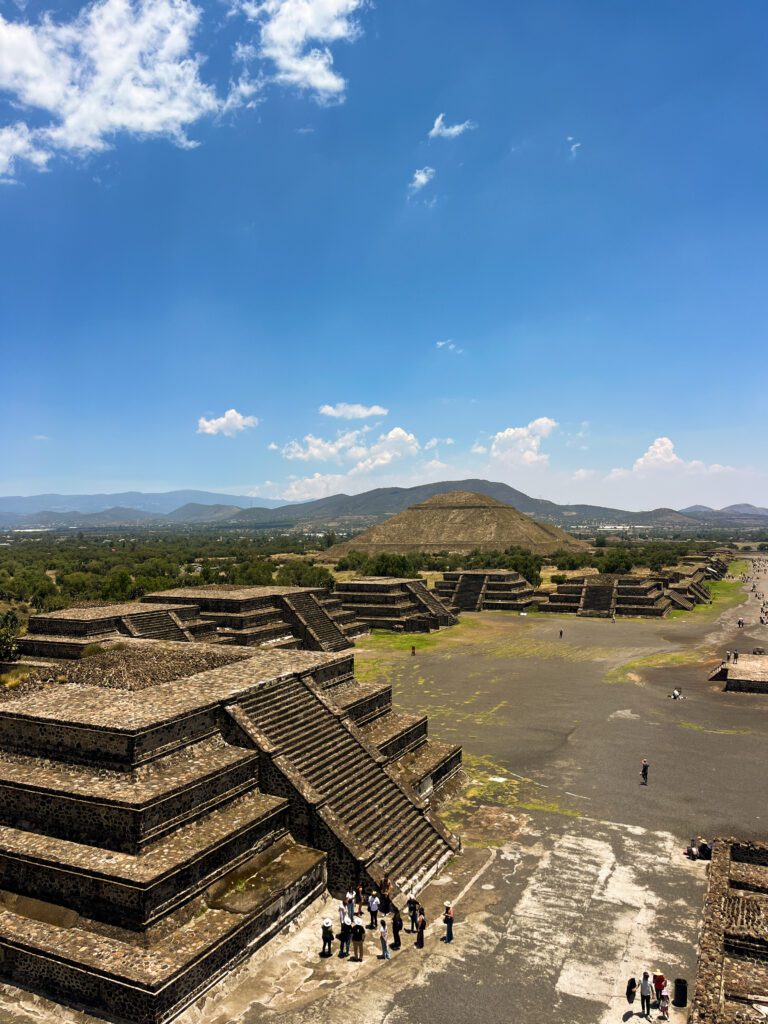
 Mexico City (CDMX): Visit the historic center, Palacio de Bellas Artes and museums. Explore neighborhoods like Roma, Condesa, and Coyoacán. Don’t miss the street food, mercados and day trips to Teotihuacán or nearby volcanoes.
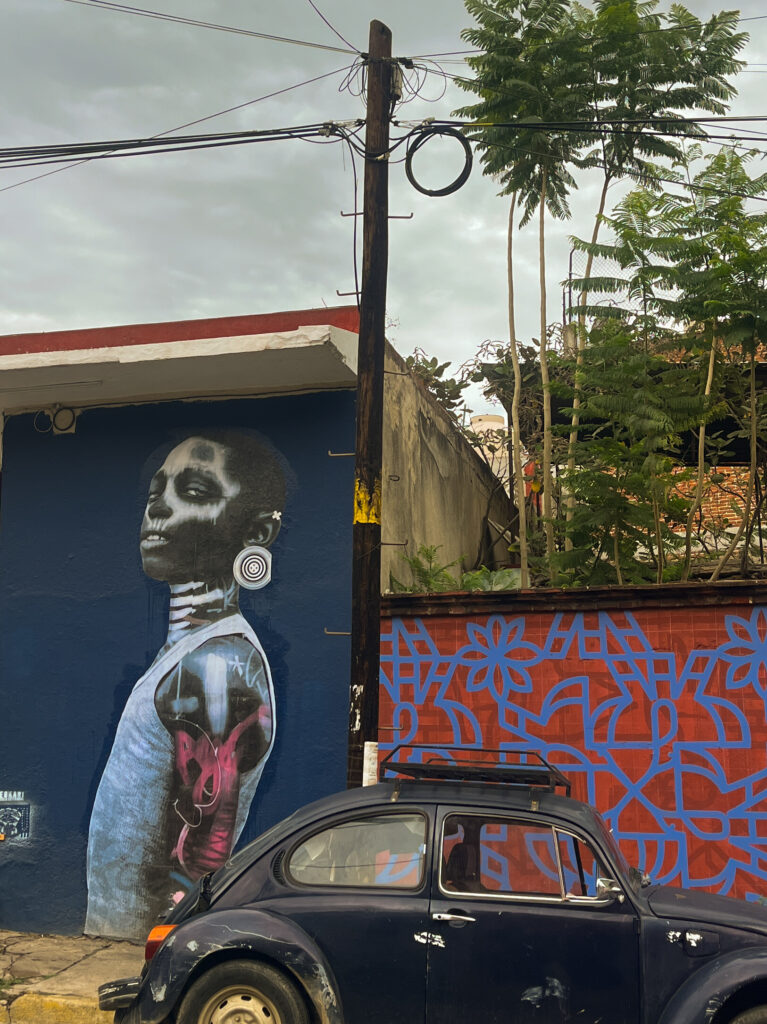
 Oaxaca: Walk the colonial streets, visit markets like 20 de Noviembre and see local crafts in nearby villages. Try traditional dishes like mole and tlayudas.
 Pacific Coast (Puerto Escondido, Sayulita, Puerto Vallarta): Surf at popular beaches, explore coastal towns and enjoy beautiful spots for sunsets and swimming.
 Chiapas (San Cristóbal de las Casas, Palenque): Visit San Cristóbal’s markets and architecture, explore Palenque’s ruins and see waterfalls like Misol-Ha and Agua Azul. Learn about local indigenous communities.
 Yucatán (Mérida, Valladolid): Explore Mérida’s colonial streets, Valladolid’s cenotes and nearby Mayan ruins like Chichén Itzá. Experience local food and markets.
 Mexican Islands (Isla Mujeres, Holbox, Cozumel): Swim, snorkel and relax on beautiful beaches and enjoy the island life.
 Baja California Sur (La Paz, Los Cabos): Visit beaches and desert landscapes, go whale watching and see marine life in the Sea of Cortez.
Riviera Maya (Cancún, Playa del Carmen, Tulum): Visit cenotes, beaches and coral reefs. Check out Mayan ruins and towns along the coast.
Top Things To See And Do In Mexico
Visit Ancient Mayan Ruins
Explore archaeological sites like Chichén Itzá, Tulum or Palenque where you can walk among ancient temples and pyramids and learn about Mexico’s pre-Hispanic history.
Swim or Dive in Cenotes
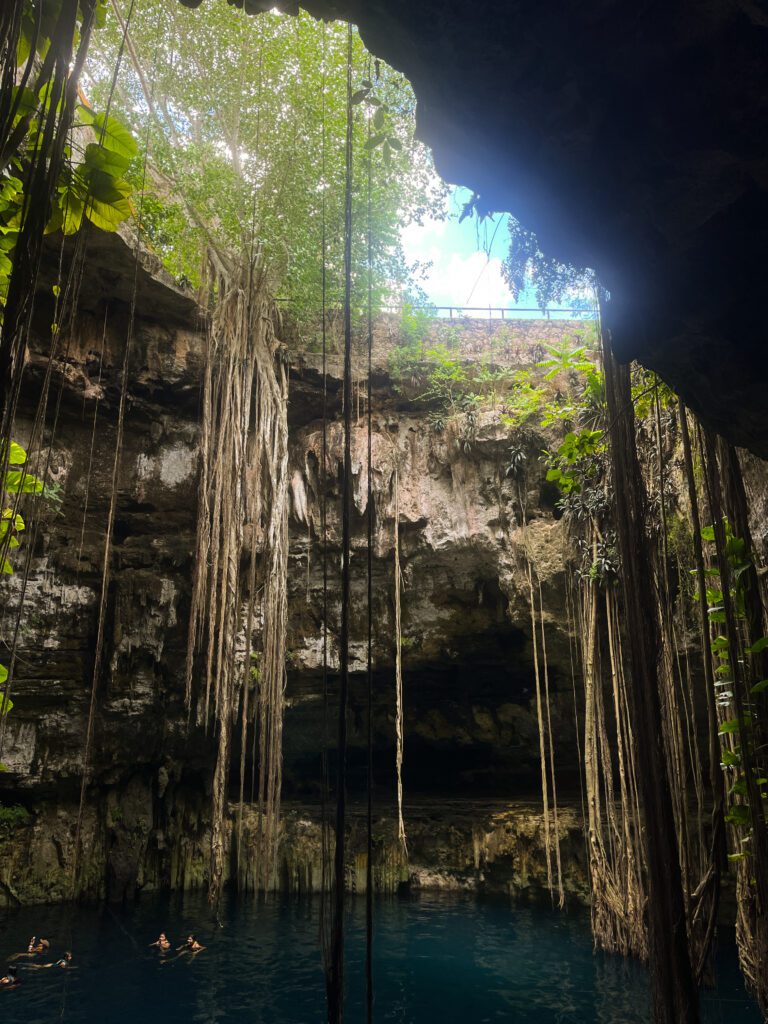
Experience Mexico’s cenotes by swimming, snorkeling or diving near places like Valladolid, Tulum or parts of southern Mexico.
Visit San José del Pacífico
Head up into the Oaxaca mountains to San José del Pacífico, a quiet little village surrounded by forests and incredible views. It’s a place where you can slow down, dig into local food, take easy hikes and just escape the heat of the coast.
Explore Mexico City
Spend time in Mexico City and discover its historic center, museums, markets and neighborhoods like Roma, Condesa and Coyoacán. The city mix history, culture and modern life better than almost anywhere else in the country.
Discover Oaxaca
Explore the colonial streets of Oaxaca, visit nearby artisan villages and dive into one of Mexico’s most famous food scenes. This is the place to try traditional dishes like mole, tlayudas and fresh local chocolate.
Visit the Pacific Coast
Mexico’s Pacific Coast has beautiful beach towns like Puerto Escondido, Sayulita and Puerto Vallarta. You can surf, paddleboard, take long walks along the shore or just enjoy the stunning ocean views and coastal atmosphere.
Hike a Volcano
If you love the outdoors, hiking volcanoes like Iztaccíhuatl comes with unforgettable views of mountains and valleys. It’s a challenging hike, but the scenery and adventure make it well worth the effort.
Visit Mexico’s Islands
Take a ferry to islands such as Isla Mujeres, Holbox or Cozumel to enjoy turquoise water, snorkeling and slower island life.
How To Get Around In Mexico
Buses: Buses are one of the easiest and most affordable ways to travel between major cities in Mexico. Companies like ADO run extensive routes across the country and offer comfortable, reliable services. Night buses are especially convenient as it allows you to save both time and accommodation costs on longer journeys. For shorter routes or rural areas, local buses and colectivos are widely available, though they are slower, make frequent stops and can be crowded.
Shuttles: Tourist shuttles operate on popular routes between major destinations, especially beach towns and border areas. They usually run on fixed schedules and often include hotel pickup and drop-off. Shuttles are widely used by travelers who want a straightforward transport option without navigating public buses.
Rent a Car: Renting a car or motorbike gives maximum flexibility to explore beaches, mountains or remote villages. Highways are generally good but some rural roads can be rough, poorly lit or challenging to navigate. Driving in big cities like Mexico City can be stressful due to traffic. Always rent from reputable companies, get full insurance and use offline GPS.
Taxis & Rideshare Apps: In major cities like Mexico City, Guadalajara and Monterrey, Uber, DiDi and Beat are widely used and safer than street taxis. For short trips, rideshare apps are usually the easiest and safest choice. If taking a regular taxi, agree on the price before starting the ride.
Domestic Flights: For longer distances, flying is the fastest option. Mexico has plenty of affordable domestic flights connecting most major cities, making it easy to save time and skip long bus rides.
Tren Maya (Mayan Train):
For travel around the Yucatán Peninsula, the Tren Maya is an exciting new option. This eco-friendly train connects popular destinations like Chichén Itzá, Tulum and Mérida, making it easy to explore multiple stops.
Estimated Travel Costs
Mexico is one of the most affordable countries to travel in North America, making it ideal for budget travelers, digital nomads and long-term trips.
Accommodation
- Hostel dorm bed: $10-25 /night
Private hostel room: $20-50 /night
Budget hotel: $25-70 /night
Mid-range hotel: $50-120 /night
Airbnb private room: $20-50 /night
Airbnb apartment: $30-100 /night
Beachfront stays (Tulum, Puerto Escondido, Sayulita): $50-150+ /night
Food & Drinks
- Street food / tacos: $1-2 each
Local casual restaurants (comedores / fondas): $3-7
Mid-range dining: $8-20
Take-out / casual cafés: $4-10
Fast food: $4-7
Beer (local): $1.50-$3
Cocktails: $3-7
Groceries for one week (per person): $25-45
Other Essentials
- National park entrance fees: $2-10
Volcano hikes (self-guided): $2-10 entrance + optional guide
Guided tours (cenotes, ruins, coffee farms): $20-60
Surfboard rental: $10-20 /day
Surf lesson: $25-50
Museum entries: $2-10
Archaeological sites (Chichén Itzá, Teotihuacán, Palenque): $3-15
Safety Tips
Know where you’re going
Mexico is generally safe for travelers, especially in well-known destinations like Oaxaca, popular island areas, and other established tourist regions. Southern parts of the country are typically safe, while some areas in northern Mexico have higher crime rates. It’s a good idea to research neighborhoods before you go and avoid unfamiliar areas late at night.
Be cautious with local authorities
In some areas, it’s best to keep interactions with local authorities brief and respectful. Carry a copy of your ID and avoid displaying large amounts of cash.
Use official and app-based transport
Uber, DiDi, and Beat are widely used in larger cities and are usually safer than street taxis. If you do take a street taxi, always agree on the price before you go. For long distances, first-class buses and domestic flights are reliable and secure. In smaller towns, it’s best to ask your hotel or hostel to arrange transport when possible.
Be discreet with valuables
Petty theft can happen, especially in crowded markets and tourist spots. Keep phones, wallets and cameras out of sight when not in use. Use safes at the accommodation for passports, extra cash and important documents.
Stay informed about neighborhoods
Safety can vary within the same city or town. Ask locals or your accommodation staff which areas to avoid and which routes are safest.
Withdraw cash in safe locations
Use ATMs inside banks, shopping centers or large supermarkets. Avoid withdrawing money late at night or from machines in isolated areas.
Avoid driving at night in rural areas
Some roads are poorly lit and checkpoints or robberies can occur in remote areas. Daytime travel is safer and more relaxed.
Be cautious with alcohol and nightlife
Stick to reputable bars and clubs, don’t leave drinks unattended and use rideshare apps when heading home late at night.
Follow local rules in nature areas
Whether visiting cenotes, beaches or hiking trails, follow posted signs and local advice. Some areas have strong currents or remote terrain and guided tours can sometimes be the safest option.
Stay connected
A local SIM card or eSIM helps with maps, transport apps and emergencies, especially when moving between regions. We personally use Airalo, which offers great coverage, easy activation and reliable service across Mexico.
Have travel insurance
Medical care is good in major cities but can be expensive. Travel insurance covering health, activities and belongings is essential when traveling in Mexico. One trusted provider is VisitorsCoverage, which offers comprehensive plans for travelers.
Budget Hacks
Travel in shoulder or low season
Visit Mexico outside peak months (especially May-June and September-October) to find cheaper accommodation and better flight deals, particularly in beach destinations.
Use long-distance buses
Mexico’s first- and second-class buses are affordable, comfortable and reliable. For short trips, local buses and colectivos are often the cheapest way to get around.
Choose accommodation outside tourist centers
Staying a few blocks away from main squares or beachfront areas can significantly lower prices. Guesthouses, hostels and locally owned hotels offer great value across Mexico.
Eat where locals eat
Street tacos, mercados and small local restaurants (fondas) serve meals for just a few dollars. This is one of the easiest ways to keep daily costs low.
Book tours directly in town
Tours to cenotes, ruins and boat trips are often cheaper when booked locally rather than online in advance. Compare prices before committing. However, for very popular attractions or high-season visits, it can be a good idea to book in advance to secure your spot.
Use colectivos instead of taxis
Shared vans (colectivos) are common in many regions and cost a fraction of private taxis or transfers.
Limit organized tours
Many towns, beaches and cenotes can be visited independently using public transport. Save tours for places that truly require a guide.
Take advantage of free experiences
Walk colonial cities, explore public beaches, visit local markets and enjoy free cultural events often held in town squares.
Choose accommodation with a kitchen
Staying in a hostel or other accommodation with a kitchen lets you cook some meals yourself, which can save a lot of money, especially on longer trips. For more tips, check out our post on how to find cheap accommodation while traveling.
Carry a reusable water bottle
Use filtered water at hostels or buy large refillable bottles instead of individual plastic bottles to save money over time, as well as reduce plastic waste.
Travel Resources
Kiwi: For comparing and finding cheap flights, flexible routes and budget-friendly connections.
Skyscanner: Another great tool to compare flights and find the cheapest dates for your trip.
Hostelworld: Go-to platform for booking hostels and dorms. Easy to filter by price, location and reviews.
Booking.com: For hotel stays, eco-lodges or private rooms.
Bookaway: A platform to book buses, trains, ferries and shuttles with local operators worldwide.
Get Your Guide: Book tours and experiences in advance to make your trip easier and more organized.
VisitorsCoverage: Compare travel insurance plans that cover medical emergencies, lost gear, adventure activities and unexpected changes.
NordVPN: Protect your data on public Wi-Fi in cafés, hostels or airports and access your usual online accounts safely while abroad.
Airalo (eSim): Stay connected without swapping SIM cards. Quick activation and reliable coverage.