
COSTA RICA
Costa Rica sits between Nicaragua and Panama in Central America, with the Pacific on one side and the Caribbean on the other. Before we visited we thought Costa Rica was mostly just about the surf towns like Santa Teresa but the thing we really appreciated the most was the nature. It is definitely the most expensive country in Central America so we had to be more strategic with our budget travel plans. We spent less time in the tourist hubs and more time in the national parks spotting wildlife and exploring the volcanoes. Even though it costs more than its neighbors we found that the incredible biodiversity and the “Pura Vida” lifestyle made it worth the extra expense.
This guide goes through the actual costs and the top spots to see while breaking down how to get around and how to visit the country on a budget.
Just so you know: This post may contain affiliate links. That means we might earn a small commission if you book or buy something through the links – at no extra cost to you. It helps us keep sharing travel tips for budget adventures!
QUICK GUIDE
🗣️ Language: Spanish.
💵 Currency: Costa Rican colón (CRC). USD is widely accepted.
☀️ Best Time to Visit: December to April is the dry season, when the weather is sunny and it’s the busiest time of year. May to November is the rainy season, with fewer tourists and lower prices.
⏱️ Time Zone: GMT-6.
🚌 Getting Around: Local buses are cheap, rental cars give the most freedom and shuttle vans are convenient for longer distances.
🔒 Safety: Generally safe for travelers, but petty theft can happen so keep your valuables secure, stay aware of your surroundings and follow local advice for beaches, hiking and transportation.
💧 Water: Tap water is often safe in cities and major tourist areas, but always check locally before drinking. Bring a refillable bottle and use filters or hotel-provided water in remote locations to reduce plastic waste.
POPULAR REGIONS
🏄🏽♀️ Guanacaste: Known for beautiful beaches, surf towns like Tamarindo and Playas del Coco and tropical dry forests.
⛱️ Nicoya Peninsula: Surfing hotspots (Santa Teresa, Nosara), wellness retreats and quiet coastal towns.
🌱 Central Valley: Includes San José, coffee plantations around Alajuela and Heredia and nearby volcanoes like Poás and Irazú.
🌋 Arenal / La Fortuna: Volcano hikes, hot springs, waterfall visits and adventure activities in La Fortuna.
🌳 Monteverde: Cloud forests, wildlife spotting, canopy tours and the Monteverde Reserve.
🌊 Caribbean Coast: Jungles, Caribbean culture, Tortuguero National Park and Puerto Viejo.
🏞️ Southern Pacific / Osa Peninsula: Dense rainforests, wildlife, Corcovado National Park and coastal towns like Drake Bay and Golfito.
WHAT TO SEE AND DO IN COSTA RICA
Surf the Pacific Coast
Costa Rica’s Pacific beaches are great for surfing at any level. Places like Santa Teresa, Tamarindo and Jaco have consistent waves, warm water and beautiful sunsets. Surf lessons, board rentals and surf camps are easy to find. One tip is to ask around for prices before choosing a place to rent or take a lesson.
Explore Monteverde Cloud Forest
Monteverde Cloud Forest is full of biodiversity with marked trails where you can see birds, monkeys and sloths. Night tours are available for those interested in nocturnal animals. Canopy tours and hanging bridges give a different perspective on the forest, letting you see the treetops and wildlife from above.
Relax in Natural Hot Springs
Near Arenal and Rincón de la Vieja, natural hot springs are surrounded by tropical scenery. They are a great way to rest after a day of hiking or exploring. Some springs have multiple pools at different temperatures, so you can choose what suits you best.
Climb an Active Volcano
Costa Rica has several accessible volcanoes. Arenal, Poás and Irazú let you hike around craters, crater lakes and steaming vents. Some trails are short and easy, while others take a full day. It’s best to check opening hours and weather before going.
Visit Tortuguero National Park
Tortuguero National Park is famous for its jungle canals and wildlife, including turtles, monkeys and colorful birds. Canoe or boat tours are a good way to explore quietly. Try going early in the morning to see more animals active along the waterways.
Wander Waterfalls and Rainforest Trails
Costa Rica has several incredible waterfall areas. La Paz Waterfall Gardens, Rio Celeste in Tenorio National Park and Catarata del Toro near Bajos del Toro all offer scenic trails, multiple waterfalls and chances to see wildlife like birds, butterflies and monkeys. These spots are great for day trips or short overnight stays, with well-marked paths and viewpoints.
Discover Puerto Viejo & Caribbean Beaches
Puerto Viejo and Cahuita on the Caribbean coast have a relaxed vibe with clear water, beaches and local culture. There are small restaurants serving Caribbean dishes and it’s easy to spend a few days exploring the coastline, local towns and nearby nature reserves.
Experience Costa Rican Coffee and Chocolate
Coffee and chocolate tours show how beans go from farm to cup. Many tours include tastings and workshops where you can try making chocolate or coffee yourself. It’s a good way to learn about local production while enjoying fresh flavors.
Zipline Through the Rainforest
Go zip lining through the treetops in Monteverde or other rainforest areas while spotting sloths, monkeys or other animals.
ESTIMATED TRAVEL EXPENSES FOR COSTA RICA
Keep in mind, these are just rough estimates. Prices can change depending on the season, the area you’re in and who you book with.
ACCOMMODATION
- Hostel dorm bed: $10-45 /night
- Private hostel room: $20-70 /night
- Budget hotel: $40-80 /night
- Airbnb private room: $30-70 /night
- Airbnb apartment: $70-150 /night
- Campsite: $5-20 /night
FOOD & DRINKS
- Street snacks or local meals: $3-5
- Traditional Costa Rican restaurant (sodas): $5-10
- Mid-range dining: $10-30
- Take-out or casual café meals: $7-12
- Fast food (burger, fries, soda): $7-9
- Beer at a bar: $2-4
- Glass of wine: $5-7
- Groceries for one week (per person): $35-60
OTHER ESSENTIALS
- Local bus: $0.50-$6 per ride
- Shuttle van between towns: $25-$60
- Car rental: $30-$70 /day + insurance
- National park entrance fees: $10-$20
- Tours (zipline, guided hikes, waterfalls, wildlife tours): $35-$90
HOW TO GET AROUND
Bus: Public buses are a classic choice for travelers who want to save money and see the country like a local. They reach even small towns and remote areas. While trips may take longer than private transport, tickets are cheap, usually a few dollars for short hops and a bit more for longer rides.
Shuttles: Shuttles are ideal if you prefer a smooth, door-to-door experience. They’re slightly more expensive, but the convenience of skipping multiple transfers can be worth it, especially if you’re heading between popular destinations like La Fortuna, Monteverde or the Pacific coast.
Rent car: Driving yourself opens up a world of flexibility. Renting a car gives you the flexibility to explore beaches and villages that are more remote, all on your own schedule. Roads can be tricky in some rural or coastal areas, especially during rain or the rainy season, so experience and caution are important. Rental rules vary, but many companies ask drivers to be 25+ with some exceptions for younger drivers.
Hitchhiking: Hitchhiking is rare for long distances but can occasionally work in surf towns or areas with fewer buses. Always rely on your judgment, pay attention to local advice and stay safe when trying this approach.
BUDGET HACKS FOR COSTA RICA
Costa Rica is the priciest country in Central America, but with a few smart tricks and some careful planning, you can enjoy all the country has to offer while keeping your trip affordable:
Travel off season: Traveling in the shoulder or off-season can help you save on accommodations and usually means fewer tourists at popular spots. Even if you encounter some afternoon rain, the landscapes become richer and more alive, making it a great time to explore Costa Rica’s natural beauty.
Go with local bus: Traveling by local bus is the cheapest way to get around and can save you a lot of money. It also offers a more authentic local experience, letting you see the country from a different perspective while connecting with everyday life.
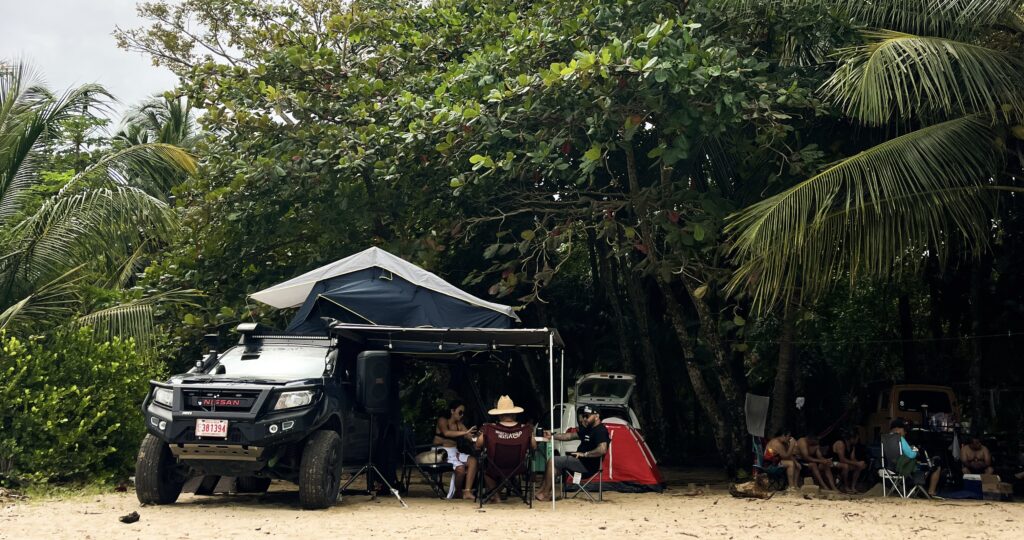
Affordable Accommodation: Stay at budget-friendly options like hostels and guesthouses, camping sites or eco-lodges, and locally owned hotels or family-run guesthouses for an affordable and authentic Costa Rica experience. A great budget hack is to choose accommodation with a kitchen so you can cook some of your own meals and save money on food. Check out this post for tips on finding cheap stays.
Eat cheap: Eating at sodas or buying groceries to cook your own meals is an easy way to keep costs down. These small family-run spots serve traditional plates at a fraction of tourist restaurant prices, and preparing your own food lets you save even more and explore local ingredients.
Skip tours: Instead of booking tours, consider exploring on your own. Many experiences such as waterfalls, jungle hikes, beach walks and wildlife spotting, can be enjoyed independently with little to no cost.
Bring your own water bottle: Bringing your own water bottle can both save you money and help reduce plastic waste. Many cities and mountain towns have safe tap water for refilling, but be sure to check beforehand if the water is safe in the area you’re visiting.
HOW TO STAY SAFE
General vibe: Costa Rica is generally safe, even for solo travelers, but normal precautions like watching your belongings, avoiding poorly lit areas at night and staying aware of your surroundings should still be taken. The capital, San José, can feel a bit sketchy in certain neighborhoods and isn’t always as safe as other parts of the country, so it’s best to stick to well-traveled areas, keep an eye on your belongings and avoid walking alone at night.
Petty theft: Bag snatching and small thefts are among the most common crimes, especially in crowded areas like bus stations and markets. Keep valuables zipped, carry only what you need and consider using a crossbody bag or money belt.
Nightlife: Beach towns have lively nightlife. Watch your drinks, stick with friends and plan your route back. Use official taxis or ride apps instead of walking alone after dark.
Driving tips: Don’t leave valuables in your car, as break-ins can occur. Roads may be rough, especially in rural or coastal areas after rain. Drive carefully and avoid night travel when possible.
Nature safety: Trails get slippery, currents are strong and wildlife can be dangerous. Stick to marked paths, check local conditions and hire guides if you’re unsure.
Travel insurance: Always have travel insurance to cover medical emergencies, trip changes or lost belongings. Make sure to read the policy carefully and pick one that matches the kind of activities and adventures you’ll be doing. VisitorsCoverage is one option for reliable travel insurance for your adventures.
TRAVEL RESOURCES
Here are some tools and services we personally use when traveling to make trips smoother and more enjoyable, whether in Costa Rica or anywhere else.
Kiwi: For comparing and finding cheap flights, flexible routes and budget-friendly connections.
Skyscanner: Another great tool to compare flights and find the cheapest dates for your trip.
Hostelworld: Go-to platform for booking hostels, dorms and social stays. Easy to filter by price, location and reviews.
Booking.com: For hotel stays, eco-lodges or private rooms.
Get Your Guide: Book tours and experiences in advance to make your trip easier and more organized.
VisitorsCoverage: Compare travel insurance plans that cover medical emergencies, lost gear, adventure activities and unexpected changes.
NordVPN: Protect your data on public Wi-Fi in cafés, hostels or airports and access your usual online accounts safely while abroad.
Airalo (eSim): Stay connected without swapping SIM cards. Quick activation and reliable coverage make traveling around Costa Rica hassle-free.
PLAN YOUR ADVENTURE WITH OUR READY-TO-USE COSTA RICA MAP
Easily copy the map to your own Google account to make changes and plan your own adventure. Open the map, click the three-dot menu → “Copy map” → save it to your account and start editing.