
EL SALVADOR
El Salvador is the smallest country in Central America, located between Guatemala and Honduras with the Pacific Ocean along its southern coast. It’s known for volcanoes, surf towns, crater lakes, coffee regions and archaeological sites, with far more variety than its size suggests. In recent years the country has changed a lot, and tourism has grown with it. Travelers now come for the surf breaks, volcano hikes, cultural routes and natural landscapes, all with far fewer crowds than in neighboring countries. Spanish is the main language and overall travel costs are lower than in many nearby destinations. Many travelers still choose to skip El Salvador, but we genuinely enjoyed it, it became one of our favorite countries in Central America thanks to the incredibly friendly people. This El Salvador guide covers everything you need to plan your trip, navigate transport and safety, manage your budget and discover the top highlights.
QUICK GUIDE
💬 Language: Spanish is the primary language.
💲 Currency: United States Dollar (USD) is the official currency.
☀️ Best Time to Visit: The dry season runs from November to April and is the ideal period for surfing, hiking and volcano trips. From May to October is the rainy season, when the landscape turns greener, there are fewer tourists and overall travel costs tend to be lower.
⏱️ Time Zone: UTC–6 (Central Standard Time).
🚌 Getting Around: Public buses are available but often crowded and unpredictable. Shuttles are the most convenient and comfortable option for getting around, while registered taxis, rental cars or motorbikes can work for some travelers depending on their comfort level.
🔒 Safety: Coastal surf towns and popular tourist spots are generally calm and well-traveled, but you should still be cautious in larger cities and at night. Use registered transport, avoid sketchy areas, and keep an eye on your surroundings like you would anywhere.
TOP PLACES TO VISIT IN EL SALVADOR
🏄♂️ El Tunco & El Sunzal (La Libertad Coast)
The country’s most popular beach area known for surfing, sunset bars, cafés and black-sand beaches.
🌋 Santa Ana & Cerro Verde National Park
Home to the Santa Ana Volcano, Izalco Volcano and viewpoints over the lakes and mountains.
🌼 Ruta de las Flores
A scenic highland route with colorful towns, coffee farms, weekend food festivals and nearby waterfalls. Check out our full Ruta de las Flores guide for more details.
🌅 Lake Coatepeque
A volcanic crater lake famous for viewpoints, lakeside restaurants and calm water perfect for relaxing.
🏘️ Suchitoto
A beautiful colonial town with cobblestone streets, galleries, lake viewpoints and a strong cultural atmosphere.
🌿 El Imposible National Park
El Salvador’s largest protected area, known for hiking trails, forest viewpoints and biodiversity.
🏛️ Tazumal & Joya de Cerén Archaeological Sites
Two of the country’s most important Maya sites, located in the western part of the country.
WHAT TO SEE & DO IN EL SALVADOR
Surf in the pacific coast:
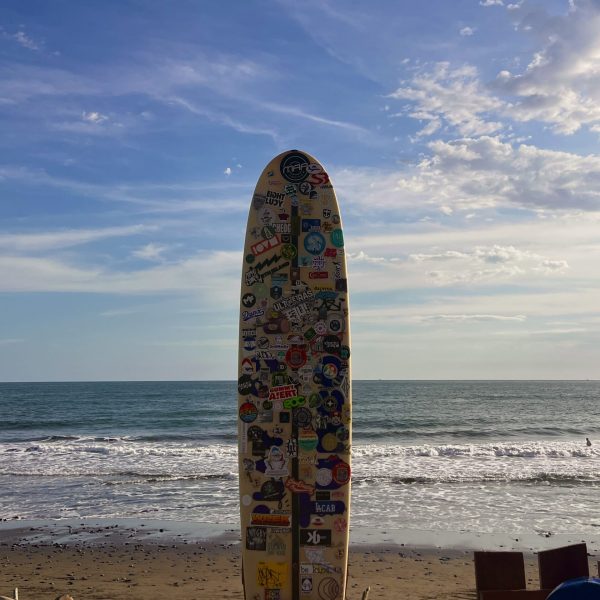
Surf in El Tunco, El Sunzal or La Libertad. Surf towns with small shops and cafés, reliable waves and surf schools with board rentals for all levels.
Explore Ruta de las Flores:
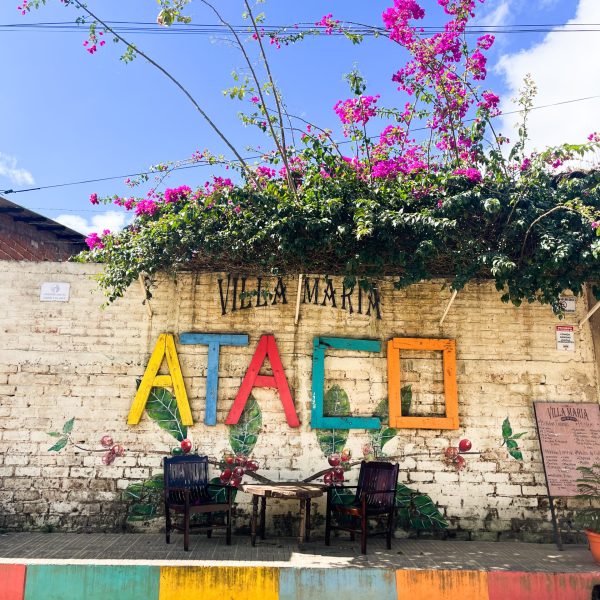
Drive or take the bus along the Ruta de las Flores to explore small towns, waterfalls, local markets and coffee farms. For a deeper look at the towns, coffee farms and waterfalls along the route, don’t miss our complete Ruta de las Flores Travel Guide.
Hike volcanos:
Hike Santa Ana (Ilamatepec), Izalco or San Miguel volcanoes for crater lake views, volcanic terrain and beautiful views.
Exlore Lake Coatepeque:
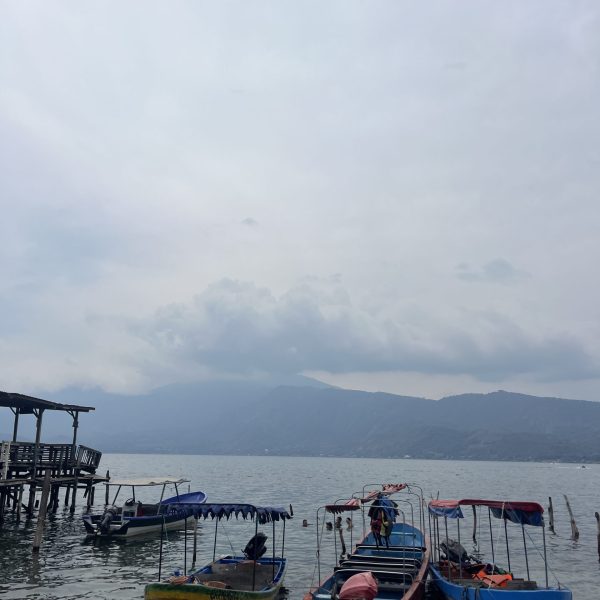
Visit Lake Coatepeque near Santa Ana to kayak, swim or relax. The lake is surrounded by viewpoints and lakeside restaurants and is perfect as a day trip.
Visit Tazumal & Mayan Ruins:
Explore Chalchuapa’s Tazumal ruins to see one of El Salvador’s most important archaeological sites, or visit other ruins like Cihuatán or San Andrés. Combine with a trip to local markets and try traditional dishes like yuca con chicharrón.
Discover Santa Ana City:
Walk through the historic center and visit Santa Ana Cathedral, Municipal Palace and museums to see the city’s colonial architecture and cultural sites.
Explore mangroves & estuaries:
Take a boat tour in Bahía de Jiquilisco or Estero de Jaltepeque. See mangroves, birds and wildlife and learn about the ecosystem.
Visit Montecristo Cloud Forest:
Hike trails in this cloud forest at the northern border, see wildlife and reach viewpoints where El Salvador, Honduras and Guatemala meet.
Wander Waterfalls & Natural Parks:
Explore El Imposible National Park, Los Chorros or Cerro Verde for waterfalls, forest trails and wildlife.
Experience Local Culture & Festivals:
Visit local festivals and artisan markets and enjoy traditional Salvadoran food and music.
Experience Coffee Farms
Tour coffee plantations along the Ruta de Las Flores or western highlands to see how coffee is grown, processed and roasted.
Relax on Beaches & Coastal Towns
Spend time at Costa del Sol or other Pacific beaches for swimming, sunbathing and fresh seafood.
Explore San Salvador’s Historic Streets, Plazas and Museums
Walk around the capital’s main plazas, visit museums and explore historic buildings.
Wander Colonial Suchitoto:
Walk cobblestone streets, visit galleries and enjoy nearby waterfalls, caves and cultural events.
If you’re planning a longer trip, our 3-week El Salvador itinerary that breaks down a simple route that links all the key areas.
ESTIMATED TRAVEL EXPENSES FOR EL SALVADOR
ACCOMMODATION
- Hostel dorm bed: $8–20 /night
- Private hostel room: $15–35 /night
- Budget hotel: $25–60 /night
- Mid-range hotel: $40–80 /night
- Airbnb private room: $15–40 /night
- Airbnb apartment: $25–80 /night
- Beachfront stays: $40–120+ /night
FOOD & DRINKS
Street food / pupusas: $0.75–$1.50 each
Local restaurants (comedores/sodas): $3–6
Mid-range dining: $8–15
Take-out / casual cafés: $4–8
Fast food: $4–6
Beer (local): $1–3
Cocktails: $3–6
Groceries for one week (per person): $20-35
OTHER ESSENTIALS
- National park entrance fees: $1–6
Volcano hikes (self-guided): $1–6 entrance + optional guide
Guided tours (volcano, coffee farm, waterfalls): $20–60
Surfboard rental: $10–15 /day
Surf lesson: $20–35
Museum entries: $1–5
Archaeological sites (Tazumal, San Andrés): $3–5
HOW TO GET AROUND
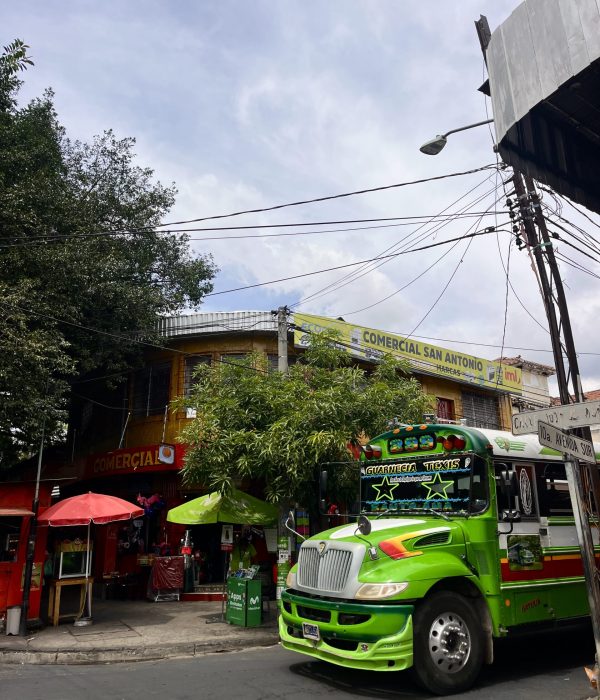
Buses: Public buses (“micros” and “rutas”) are the cheapest way to travel and connect almost every town in the country. They run frequently but are slow because of many stops and traffic. They’re reliable for short distances but not ideal if you’re carrying a lot of luggage or traveling longer routes.
Shuttles: Tourist shuttles are the most practical option for getting between popular destinations like El Tunco, El Zonte, Santa Ana, Suchitoto and San Salvador, as well as for routes from neighbouring countries. They’re faster, more comfortable and safer than local buses and many include door-to-door pickup. Shuttles are recommended for most travelers.
Rent a Car: Renting either a motorbike or a car gives you the freedom and flexibility to reach rural areas more easily, as well as beaches and volcanoes. Main highways are generally in good condition, but some roads can be rough or poorly lit. It’s a possible option but may not be ideal for everyone due to heavy, unpredictable traffic and occasional safety concerns. If you choose to drive, make sure to rent from a reputable company, get full insurance and use offline GPS.
Taxis & Rideshare Apps: In cities like San Salvador and Santa Ana, Uber and Didi are widely used and considered safer than using street taxis. For short trips, these apps are usually the easiest and safest choice. If you do take a regular taxi, always agree on the price before getting in.
If you want to organize your trip more visually, our guide on how to plan a trip with Google Maps walks you through creating your own custom map.
BUDGET HACKS FOR EL SALVADOR
Travel off-season: Visit during the rainy season (May to October) for lower prices on accommodation and attractions.
Use public buses: Public buses are the cheapest way to get around, especially good for short distances.
Choose shuttles wisely: For popular routes, group shuttle services can be cost-effective and safer than private transport.
Stay in hostels or guesthouses: Choose budget-friendly options like hostels, camping sites or eco-lodges and locally owned hotels or family-run guesthouses. For more tips, check out our post on how to find cheap accommodation while traveling.
Eat local: Comedores and street food stalls offer traditional meals for $1–$3 USD.
Cook your own meals: Choose accommodation with kitchen to cook your own meals.
Skip unnecessary tours: Hike volcanoes, visit lakes and explore towns independently where possible.
Book tours locally: Local operators often offer the same activities at lower prices than international websites.
Take advantage of free attractions: Many beaches, parks, waterfalls and colonial towns can be visited without paying entrance fees.
Carry a reusable water bottle: Refilling at hostels instead of buying bottled water can save you money throughout your trip, as well as reduce plastic waste.
For broader money-saving tactics that work in any destination, see our guide on how to travel on a budget.
SAFETY TIPS FOR EL SALVADOR
Stay in well-known travel areas
Stick to touristy areas such as El Tunco, El Zonte, Santa Ana, Suchitoto, Ruta de las Flores, and popular national parks. These places are more accustomed to visitors and generally safer.
Use trusted transport
Choose shuttles, reputable tour companies or rideshare apps such as Uber and DiDi in major cities. Avoid unknown street taxis, especially at night.
Keep valuables out of sight
Use a money belt or a cross-body bag, avoid displaying phones or cameras in quiet areas and leave passports and excess cash locked away at your accommodation.
Choose accommodation with good reviews
Look for places that highlight safety, secure entrances, lockers, and 24/7 staff. Beach towns and popular tourist areas often have plenty of reliable options.
Follow local guidance
Ask your hostel or hotel staff about any areas to avoid, the safest routes and the best way to get around. Locals often give the most accurate, up-to-date information.
Use ATMs inside banks or malls
Withdraw cash only in secure indoor locations, preferably during the daytime.
Don’t hike alone on remote trails
Choose guided hikes for volcanoes and national parks. Trails like Santa Ana Volcano are safe when visited with official guides or in groups.
Be mindful at the beach
Pacific surf towns have strong currents and riptides. Swim only in designated areas and ask locals about conditions.
Keep your phone and bag close in crowded places
Markets, bus terminals and festivals can get busy. Hold your bag in front of you and keep your belongings in a zipped pocket.
Buy a local SIM card
Airalo offer affordable data and help you navigate and stay connected during your trip. Important and good for both safety and convenience.
Travel insurance: Always have travel insurance to cover medical emergencies, trip changes, or lost belongings. Make sure to read the policy carefully and pick one that matches the kind of activities and adventures you’ll be doing. VisitorsCoverage is one option for reliable travel insurance for your adventures.
For smooth trip preparation, check out our travel plan checklist with a free PDF you can download.
TRAVEL RESOURCES
Kiwi: For comparing and finding cheap flights, flexible routes and budget-friendly connections.
Skyscanner: Another great tool to compare flights and find the cheapest dates for your trip.
Hostelworld: Go-to platform for booking hostels and dorms. Easy to filter by price, location and reviews.
Booking.com: For hotel stays, eco-lodges or private rooms.
Bookaway: A platform to book buses, trains, ferries and shuttles with local operators worldwide.
Get Your Guide: Book tours and experiences in advance to make your trip easier and more organized.
VisitorsCoverage: Compare travel insurance plans that cover medical emergencies, lost gear, adventure activities and unexpected changes.
NordVPN: Protect your data on public Wi-Fi in cafés, hostels or airports and access your usual online accounts safely while abroad.
Airalo (eSim): Stay connected without swapping SIM cards. Quick activation and reliable coverage.