
NICARAGUA
Nicaragua is located between Honduras and Costa Rica in Central America, with the Pacific Ocean on one side and the Caribbean Sea on the other. It’s the largest country in Central America by land area and called the “Land of Lakes and Volcanoes”, known for its volcanoes, colonial cities, surf beaches, lakes and rainforests. Spanish is the main language and it’s more affordable than many of its nearby destinations. Travelers visit for surfing, hiking, wildlife, coffee and chocolate farms and the slower pace of daily life.
Just so you know: This post may contain affiliate links. That means we might earn a small commission if you book or buy something through the links – at no extra cost to you. It helps us keep sharing travel tips for budget adventures!
QUICK GUIDE
💬 Language: Spanish is the main language.
💲Currency: Nicaraguan córdoba (NIO). USD is widely accepted in most tourist areas but small towns and markets prefer córdobas.
☀️ Best Time to Visit: December to April is the dry season with sunny weather. May to November is the rainy season with greener nature, fewer tourists and lower prices.
⏱️ Time Zone: GMT-6.
🚌 Getting Around: Local buses are the cheapest, rental cars gives you bigger freedom and shuttles are easy and popular for well-traveled routes.
🔒 Safety: Tourist areas are generally calm, but petty theft can occur in crowded places such as markets, beaches and bus stations. Stay aware of your surroundings, avoid dark streets at night, use registered taxis or shuttles and check local advice before exploring remote regions.
💧 Water: Tap water varies by region. Managua, Granada and León sometimes have treated tap water, but it’s still safest to use filtered or bottled water, especially in coastal, rural and island areas. Many hotels, cafés and hostels offer refill stations.
POPULAR REGIONS
🏄🏽♀️ San Juan del Sur & Pacific Coast: Surf towns, restaurants, sunset lookouts and party hostels mix with quiet beaches just outside town.
🌊 Southwest Pacific / Popoyo: Surf, quiet beaches and surf lodges.
🏘️ Granada: Colonial buildings, lakefront areas, local markets and boat trips to the nearby islets.
🌋 León & Volcano Region: One of Nicaragua’s most historic cities with historic streets, art murals, museums and easy access to volcanoes for boarding and sunset hikes.
🌲 Northern Highlands (Matagalpa / Jinotega): Coffee farms, cloud forests, waterfalls and cooler weather.
🏝️ Caribbean Coast (Corn Islands): White sand beaches, clear water, snorkeling and island life.
⛰️ Ometepe Island: Twin volcanoes, freshwater beaches, small villages and nature reserves.
WHAT TO SEE & DO IN NICARAGUA
Surf on the Pacific Coast:
Surf in San Juan del Sur, Popoyo or Las Peñitas where you can find consistent waves, surf schools and breaks for all levels. You’ll also find small cafés, beautiful beaches and spots to relax between sessions.
Explore Colonial Cities:
Walk the beautiful streets of Granada and León with colonial architecture. Explore museums, historic sites and discover boutiques, cozy cafés and local markets.
Relax in Natural Hot Springs:
Relax in hot springs around Ometepe, Mombacho or other volcanic regions. Ideal spots to hang out after hiking or a long travel day.
Climb an Active Volcano:
Nicaragua offers some of Central America’s most accessible volcano hikes. Try volcano boarding on Cerro Negro or take on more challenging climbs like Telica, San Cristóbal and Mombacho where you’ll find beautiful crater or lake views at the top.
Visit Isla de Ometepe:
Take the ferry to Isla Ometepe, an island shaped by twin volcanoes in Lake Nicaragua. Hike to waterfalls, kayak on the lake, relax on freshwater beaches, explore nature reserves or explore charming villages.
Wander Waterfalls and Forest Trails:
Ometepe and the northern highlands have beautiful waterfalls and cloud forests. San Ramón Waterfall, Cascada Blanca and the trails around Matagalpa and Jinotega are perfect for hiking, birdwatching or just enjoying the amazing nature.
Discover the Caribbean & Corn Islands:
Little Corn and Big Corn Islands are paradise for snorkeling, diving or just relaxing on white-sand beaches. The islands are quiet, relaxed and ideal for disconnecting from the more hectic mainland.
Experience Nicaraguan Coffee and Chocolate:
Visit coffee and cacao farms around Matagalpa and Jinotega to see the process. Many plantations offer hands-on workshops and tastings, a must for chocolate or coffee lover.
Relax at Lakes and Lagoons:
Laguna de Apoyo near Granada is a volcanic crater lake perfect for kayaking, swimming or just relaxing by the water. There is also other small lakes, like Xolotlán and Cocibolca that are perfect for relaxing away from the crowds.
Go Volcano Boarding:
Cerro Negro near León is world-famous for volcano boarding. Slide down black volcanic ash for an experience that’s unique to Nicaragua.
Explore Remote Natural Areas:
Discover places like Rio San Juan, the Bosawas Biosphere Reserve and the Solentiname Archipelago. Kayak rivers, hike cloud forests, spot wildlife and meet indigenous communities for a immersive experience.
Island Hopping and Beach Days:
Drift between the Isletas de Granada or head out to the Pearl Cays where you can jump off the boat into clear water, snorkel around coves, and spend the afternoon swinging in a hammock on a little patch of sand that feels like it’s all yours.
Adventure & Cultural Immersion:
Visit Somoto Canyon for hiking and tubing, join a homestay in Estelí or León to learn Spanish or volunteer on farms and eco-projects for a hands-on travel experience. If you’re curious about combining work and travel, check out our post on Work & Travel Abroad Programs.
Estimated Travel Expenses for Nicaragua
Keep in mind, these are just rough estimates for budget to mid-range travel. Prices can change depending on the season, the area you’re in and who you book with.
Accommodation
- Hostel dorm bed: $8-20 / night
- Private hostel room: $20-45 / night
- Budget hotel: $30-50 / night
- Airbnb private room: $20-40 / night
- Airbnb apartment: $40-80 / night
- Campsite: $5-10 / night
Food & Drinks
- Street snacks or local meals: $2-4
- Traditional restaurants (comedores): $4-7
- Mid-range dining: $10-20
- Take-out or cafés: $5-8
- Fast food: $6-7
- Beer at a bar: $1.50-3
- Glass of wine: $3-5
- Groceries for one week: $25-45
Other Essentials
- Local bus: $0.50-3 per ride
- Shuttle van:$15-35
- Car rental:$25-45 / day + insurance
- National park entrance: $5-10
- Tours (volcano boarding, hikes, surf lessons):$20-60
How to Get Around
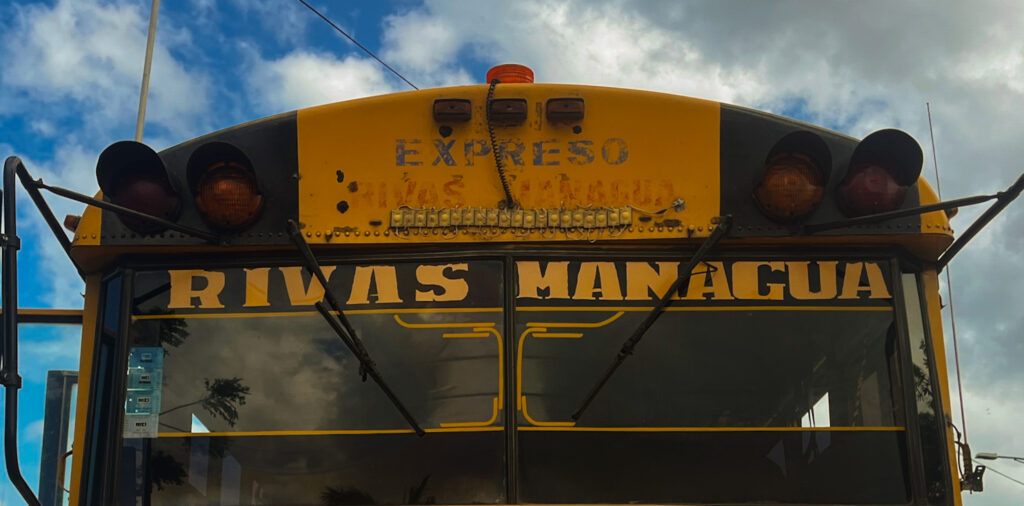
Bus: Public buses are the cheapest way to travel and reach most towns. Local buses run frequently but make many stops, so expect slower travel times on long routes.
Shuttles: Great for direct routes between popular areas like Granada, León and San Juan del Sur. Faster and more comfortable than local buses. Most shuttles operate on fixed schedules and include door-to-door pickup.
Rent a car: A car gives full freedom to reach beaches, volcanoes and remote areas. Roads can be rough in places, especially in the rainy season, so careful driving is important. Make sure to have full insurance, a valid license (and possibly an international permit), and a GPS or offline maps. A 4×4 is recommended for rural or coastal routes, and always plan fuel stops when heading for more remote spots.
Hitchhiking: Possible in some surf areas and small towns, but not common for long distances. Always rely on your judgment and local advice.
Budget Hacks for Nicaragua
Nicaragua is one of the cheapest countries in Central America. To save even more on your trip, here are a few tips to keep in mind:
Travel off season: Travel in the shoulder or off-season for lower prices and fewer tourists. During this time, Nicaragua’s landscapes becomes greener with mornings often clear and occasional afternoon rains.
Use local buses: The cheapest way to move around the country and a good way to see local life.
Affordable accommodation: Hostels, guesthouses, family-run stays and eco-lodges offer excellent budget options. Check out our post How to Find Cheap Accommodation for more tips.
Eat cheap: Eat at comedores or stay in hostels or accommodations with a kitchen to cook your own simple meals. Local dishes are affordable and a great way to experience Nicaraguan flavors.
Skip tours where possible: Many hikes, beaches and waterfalls can be visited independently for low or no cost.
Bring a reusable water bottle: Use refill stations or filtered water to save money and reduce plastic waste.
How to Stay Safe
General vibe: Nicaragua is generally safe for travelers, though it’s wise to take the usual precautions and stay aware of your surroundings, especially in busy areas or at night.
Petty theft: While not widespread, petty theft can occur, specially in crowded areas. Keep your belongings secure, use crossbody bags and avoid leaving valuables unattended.
Nighttime & nightlife: Don’t walk alone on beaches or in unfamiliar areas after dark. Stick with friends and stay aware of your surroundings.
Taxis & transport: Use official taxis arranged through hotels, hostels or reputable companies. Agree on fares beforehand if booking outside official channels.
Driving tips: Avoid leaving valuables in your car. Roads may be rough, with potholes or unpaved stretches. Avoid driving long distances after dark and consider a 4×4 for rural or coastal routes.
Nature & adventure: Follow marked trails, respect local warnings and be cautious around volcanoes, strong Pacific currents, rivers, and wildlife.
Travel insurance: Always get coverage that protects you in case of injury, illness, trip delays or accidents during adventure activities. VisitorsCoverage is a good option.
Travel Resources
Here are some tools and services we personally use when traveling to make trips smoother and more enjoyable, whether in Nicaragua or anywhere else.
Kiwi: For comparing and finding cheap flights, flexible routes and budget-friendly connections.
Skyscanner: Another great tool to compare flights and find the cheapest dates for your trip.
Hostelworld: Go-to platform for booking hostels, dorms and social stays. Easy to filter by price, location and reviews.
Booking.com: For hotel stays, eco-lodges or private rooms.
Get Your Guide: Book tours and experiences in advance to make your trip easier and more organized.
VisitorsCoverage: Compare travel insurance plans that cover medical emergencies, lost gear, adventure activities and unexpected changes.
NordVPN: Protect your data on public Wi-Fi in cafés, hostels or airports and access your usual online accounts safely while abroad.
Airalo (eSim): Easy international mobile data without swapping SIM cards. Quick activation and reliable coverage